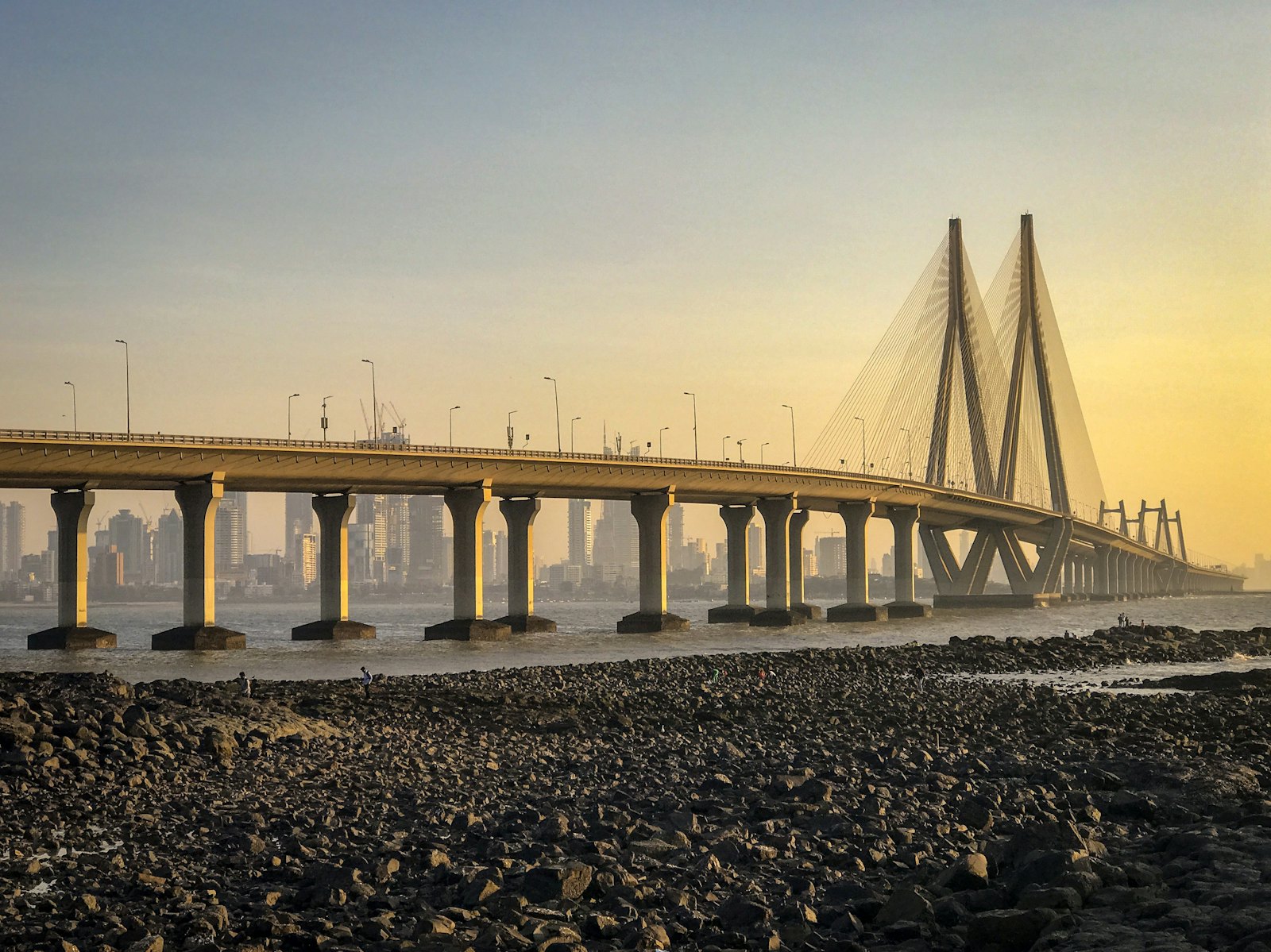
Neighbourhood guide · 400050
Bandra West
Mumbai's most argued-over postcode: part Catholic village, part front row to the sea.
By Priyank Sandhel, Principal · price bands reviewed mid-2026
Nobody is neutral about Bandra West. It is the address people move to when they have decided who they are — or wish to be seen deciding. The pin code 400050 covers barely a few square kilometres, yet it holds a working fishing jetty, a 16th-century Portuguese fort, two promenades, a basilica, and some of the most expensive residential land in India. The emotional charge comes from the collision: film money on Pali Hill, old Catholic families in Ranwar who have held their cottages since before the railway came, and a new generation of buyers who grew up being told Bandra was unattainable and are now writing cheques to prove otherwise.
What the brochures never explain is that Bandra West is really six or seven villages wearing one name. The buyer who wants a sea-facing high floor on Bandstand and the buyer who wants a quiet lane off St Andrew's Road are not shopping in the same market, and treating them as one is how people overpay. Prices swing 60 to 70 per cent within a ten-minute walk, and the difference is rarely about the flat — it is about the street.
The honest case for buying here has little to do with appreciation charts. It is that Bandra West remains genuinely walkable, genuinely mixed, and genuinely itself — qualities Mumbai's newer luxury districts spend crores of landscaping budget trying to imitate. You are buying a functioning neighbourhood, not a podium.
The pockets
Where, exactly, matters most
Pali Hill
The quietest money in Bandra. Nargis Dutt Road and Zig Zag Road still carry a few old film-family bungalows, but the real market is boutique redevelopments of eight to fourteen floors on society plots — small floor plates, three or four flats a floor, and waiting lists that never reach a portal.
₹90,000–1.5 lakh / sq ft carpet (indicative)
Bandstand & BJ Road
The promenade running from Taj Lands End past Mannat, with 1960s sea-facing societies whose west windows take the full Arabian Sea — and its salt. Trophy frontage, thin supply; most buildings are in some stage of redevelopment conversation, which is both the opportunity and the risk.
₹85,000–1.3 lakh / sq ft carpet (indicative)
Carter Road
Livelier than Bandstand — Joggers' Park, Otters Club, the café strip towards the Khar end — with sea-facing mid-rises that trade on the promenade lifestyle as much as the view. High floors facing the water carry a firm premium; the lanes one row back are the value play.
₹80,000–1.2 lakh / sq ft carpet (indicative)
Ranwar / Waroda Road heritage precinct
The old East Indian gaothan — Waroda Road, Chapel Road, Veronica Street — where cottages pass within families and almost never list. Per-square-foot maths barely applies to the bungalows; the tradeable stock is flats in low-rise buildings threaded between them, bought for the lanes rather than the amenities.
₹55,000–80,000 / sq ft carpet, apartments only (indicative)
Mount Mary / St Andrew's belt
The leafy slope between the Basilica and Hill Road — Mount Mary Road, the Steps, the convent grounds keeping whole blocks low and green. Genuinely quiet, oddly under-priced against Pali Hill, and supply is a trickle because the institutions are not selling.
₹70,000–1 lakh / sq ft carpet (indicative)
Turner Road / Perry Cross area
Bandra's connective tissue — Mehboob Studio at one end, Linking Road's noise at the other — and its most liquid market. Newer towers with proper parking and lifts that were designed rather than retrofitted; this is where buyers land when they want Bandra without the old-building compromises.
₹60,000–90,000 / sq ft carpet (indicative)
The bands side by side
Pali Hill₹90,000–1.5 lakh
Bandstand & BJ Road₹85,000–1.3 lakh
Carter Road₹80,000–1.2 lakh
Ranwar / Waroda Road heritage precinct₹55,000–80,000, apartments only
Mount Mary / St Andrew's belt₹70,000–1 lakh
Turner Road / Perry Cross area₹60,000–90,000
Indicative ₹ per sq ft of carpet area, mid-2026, drawn from recent market activity — not quotations. This corridor prices building by building; ask us for current comparables on any street.
The stock
What you’ll actually be shown
Bandra West's stock is a geology lesson. The oldest layer is the gaothan — Ranwar and Chimbai cottages on small plots, many under heritage precinct scrutiny, almost none on the open market. Above that sits the great mass of 1960s and 70s co-operative societies: ground-plus-three to seven floors, generous rooms, indifferent lifts, one contested parking spot per flat if you are fortunate. The newest layer is redevelopment — because Bandra has virtually no vacant land, nearly every new building is an old society reborn, typically eight to twenty storeys with a handful of large flats per floor. Genuine towers of forty floors exist but are rare; this is a boutique-building market. What that means in practice: the flat you fall for on Pali Hill was probably designed in 2020 on a plot assembled in 1962, and its title history matters as much as its finishes.
Before you buy
Budget for patience before you budget for the flat. The best Bandra deals — Pali Hill boutique floors, Bandstand sea-facing, anything in the heritage lanes — move through brokers' phone books and society grapevines, not portals, and the good ones are gone in a fortnight. Insist on seeing the occupation certificate and the society's conveyance before you discuss price; a surprising share of older buildings are still on unconveyed land, which complicates redevelopment and, eventually, your exit. Interrogate carpet area yourself — the gap between quoted and RERA carpet is where lakhs hide. If the building is pre-1980, assume a redevelopment conversation is coming and decide whether you want to live through one: two to four years in transit accommodation against a materially bigger, newer flat at the end. And walk the lane at 9 pm on a Saturday before you sign anything — Bandra's noise map is street-by-street, and no site visit at 11 am will show it to you.
Currently showing
Homes in Bandra West
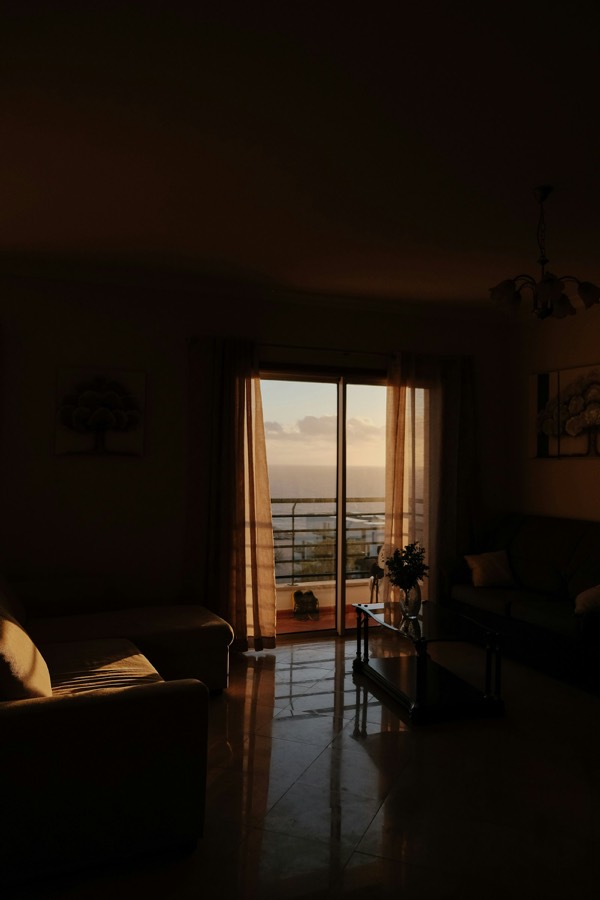
Bandstand, B.J. Road, Bandra West
Sea-facing 4 BHK on Bandstand
Nothing between the drawing room and the Arabian Sea but B.J. Road.
₹28.50 Cr indicative · 4 BHK · 2,350 sq ft carpet
₹1.21 lakh / sq ft carpet · 14th floor
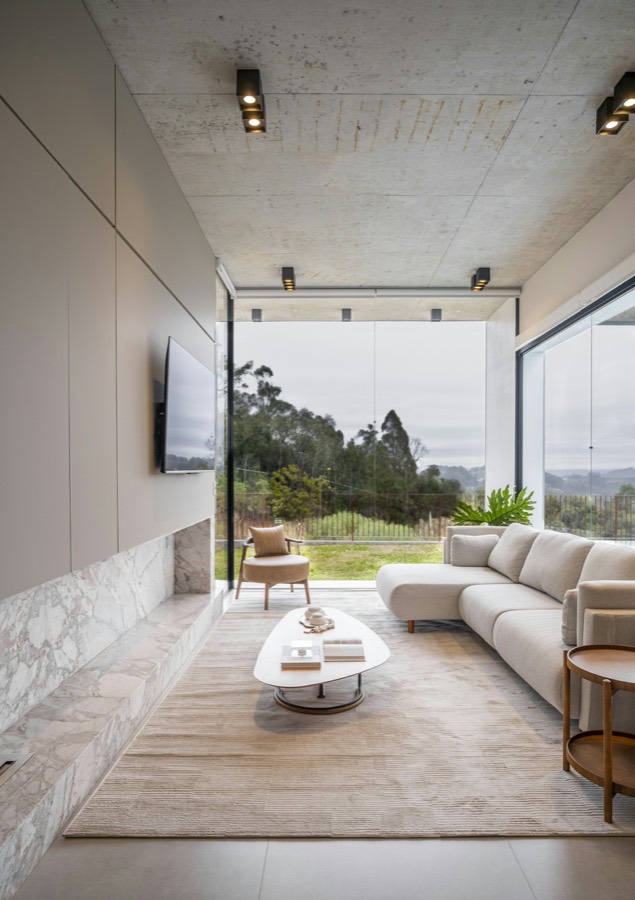
Pali Hill, Bandra West
Pali Hill 3 BHK off Nargis Dutt Road
A ninth-floor through-flat on one of the Hill's quieter cul-de-sacs.
₹18.75 Cr indicative · 3 BHK · 1,620 sq ft carpet
₹1.16 lakh / sq ft carpet · 9th floor
Ranwar Village, Bandra West
Ranwar character flat on Waroda Road
Teak floors and twelve-foot ceilings in the old East Indian village grid.
₹7.90 Cr indicative · 2 BHK · 1,040 sq ft carpet
₹75,962 / sq ft carpet · 1st floor, walk-up
Closer still
Streets we know house by house
B.J. Road, Bandstand
Fixed frontage, open sea — the one address Bandra cannot make more of.
Read the street guide →
Carter Road
Everyone's promenade — and a fortunate few's front window.
Read the street guide →
Nargis Dutt Road
Pali Hill's spine — old film money, new glass, and the deepest shade in the suburbs
Read the street guide →
Turner Road
Where Bandra gets practical: newer towers, real parking, a market that actually trades.
Read the street guide →
Waroda Road
The village Bandra grew from — low, tiled, and almost never for sale.
Read the street guide →
Zig Zag Road
The switchback that keeps Pali Hill honest: old trees, older money, no hurry.
Read the street guide →
Asked often
Straight answers
Should I buy in an old society flagged for redevelopment, or pay more for a new building?
It depends on your horizon. An old-society flat buys you more area per rupee and a stake in the eventual new building, but redevelopments in Bandra routinely take longer than promised — developer selection alone can consume two years, and members' disputes can stall a project indefinitely. Check whether the society has conveyance, how many members are aligned, and whether a developer has actually been appointed with a signed development agreement. If you need certainty, or the flat is your primary home, pay the premium for a completed building with an occupation certificate. Treat redevelopment upside as a bonus, never as the thesis.
How much extra does sea-facing genuinely cost, and does it hold value?
On Bandstand and Carter Road, a true west-facing sea view on a mid-to-high floor commands roughly 20 to 40 per cent over an identical flat one row inland, and the premium widens on higher floors. It does hold value — sea frontage is the one thing Bandra cannot make more of. The caveats are practical: salt air is punishing on windows, fittings and façades, so maintenance runs meaningfully higher, and 'sea-facing' in listings often means a sliver of water past a neighbouring building. Stand in the actual flat at the actual time of day before you pay the premium.
What is the parking situation really like?
In pre-1990s buildings, assume one car park per flat at best, often allotted by society ballot rather than title, and lanes in Ranwar, Pali Naka and around Hill Road where street parking is effectively impossible. New redevelopments typically offer two to three slots for larger flats, and this alone explains part of their premium. If you run more than two cars, filter your search to post-2015 buildings on Turner Road, Perry Cross Road or the newer Pali Hill redevelopments — retrofitting parking into old Bandra is not a solvable problem.
Is the heritage precinct a constraint or an asset if I buy near Ranwar or Waroda Road?
Both. Precinct guidelines restrict demolition and cap heights, which limits redevelopment upside and can slow renovation approvals. But those same rules are why the lanes still look the way they do, and scarcity created by regulation is durable scarcity — the low-rise character is protected in a way no gated community's landscaping ever is. Buy there for the streetscape and accept modest capital growth; if your plan depends on future FSI, look elsewhere in the pin code.